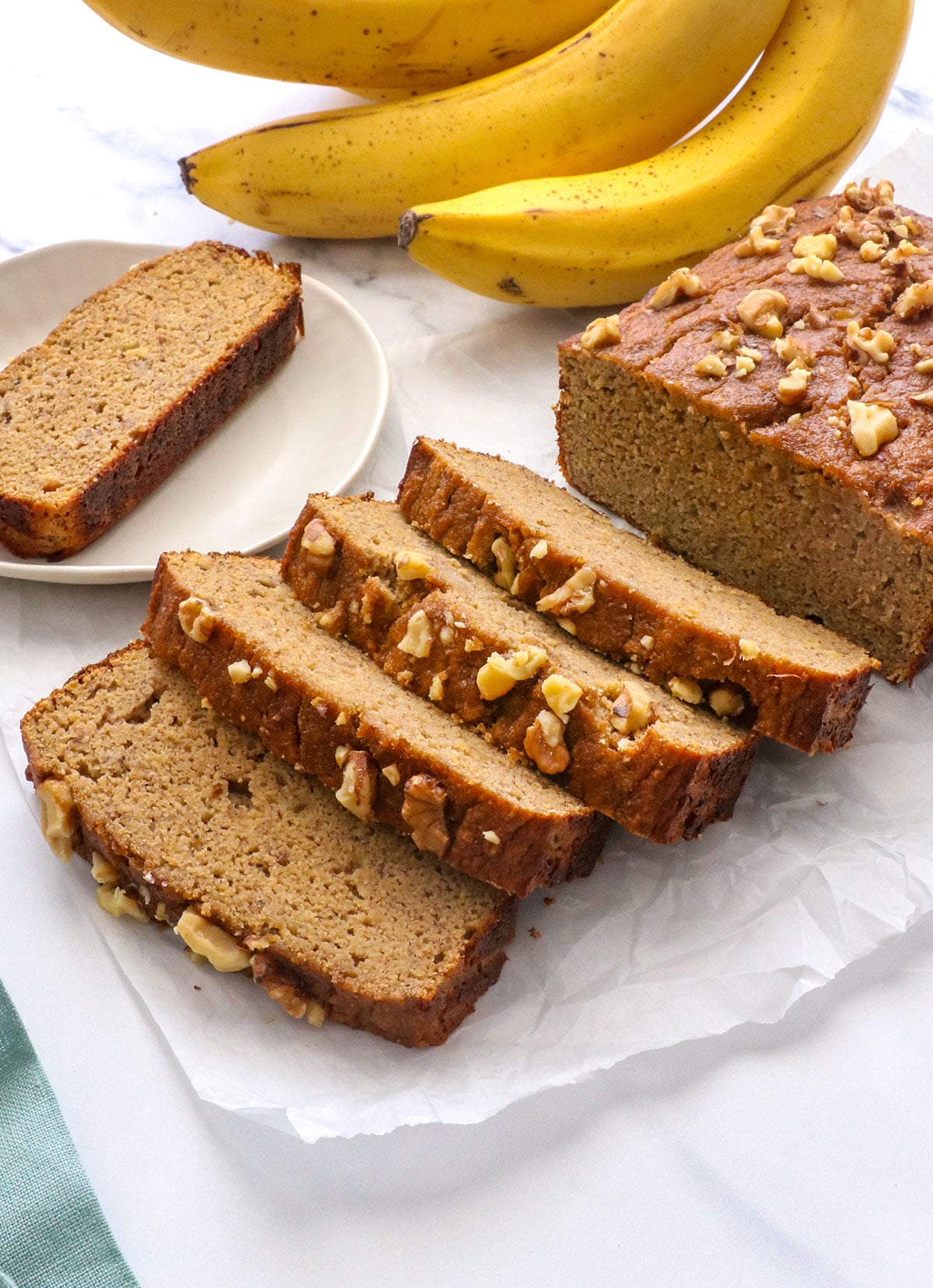
Mastering Coconut Flour: Your Guide to a Perfect Grain-Free Banana Bread
Picture this: the comforting aroma of freshly baked banana bread wafting through your home. Now, imagine that loaf is not only incredibly delicious but also caters to your grain-free, gluten-free, and dairy-free lifestyle. This isn't just a dream; it's entirely achievable with the right approach to coconut flour. We're here to guide you through crafting what many call the best ever coconut flour banana bread – a moist, flavorful, and nutrient-dense treat that will become a staple in your kitchen. For years, home bakers have sought a healthy alternative to traditional flour, and coconut flour has emerged as a powerhouse ingredient. However, it's also notorious for being a bit "tricky" to work with. But fear not! With the insights we've gathered from countless successful bakes and years of gluten-free recipe development, you'll learn exactly how to harness its unique properties to create a banana bread that consistently earns rave reviews. Get ready to transform those ripe bananas on your counter into a truly exceptional, wholesome delight, perfect for breakfast, a snack, or even a healthier dessert.The Magic of Coconut Flour: Why It's Unique (and Worth Mastering)
Coconut flour stands apart from other flours, and understanding its distinct characteristics is the first step to mastering it. Unlike wheat or almond flour, you cannot substitute coconut flour in equal measure; doing so would result in a dense, dry, and unappetizing disaster. Its exceptional qualities are precisely what make it so valuable for grain-free baking. Here’s why coconut flour is a game-changer:- Incredibly Absorbent: This is coconut flour's defining feature. It acts like a sponge, soaking up a remarkable amount of liquid. This means you need significantly less coconut flour compared to other flours in a recipe, and conversely, a substantially higher amount of eggs and other liquids to achieve the right consistency and moisture. Recipes developed specifically for coconut flour, like the one for the best ever coconut flour banana bread, account for this unique absorbency.
- High in Fiber: We’re talking about impressive numbers here – around 5-6 grams of fiber per just two tablespoons! This makes your baked goods incredibly satisfying, aids in digestion, and contributes to a healthy gut.
- Healthy Fats: Coconut flour contains beneficial medium-chain triglycerides (MCTs), which are known for their easy digestibility and energy-boosting properties. These healthy fats also contribute to the bread’s overall moistness and richness.
- Subtle Sweetness: It naturally imparts a delicate sweetness to baked goods, complementing the natural sugars from ripe bananas and reducing the need for excessive added sweeteners.
- Nutrient Density: Beyond fiber and fats, coconut flour offers protein and other essential nutrients, making your banana bread not just a treat, but a truly nourishing snack.
- Grain-Free, Gluten-Free, Dairy-Free, and Paleo-Friendly: For those following specific dietary protocols, coconut flour is a fantastic, versatile ingredient that allows for delicious baking without compromise.
Crafting the Perfect Loaf: Essential Ingredients and Tips
Achieving the best ever coconut flour banana bread relies on a handful of simple, yet crucial, ingredients and precise execution. Here’s a closer look at what you’ll need and how to handle them:Coconut Flour: Measure with Precision
As we’ve established, coconut flour is highly absorbent, so accurate measurement is paramount. Do not attempt to substitute it for any other flour. When measuring, scoop your measuring cup into the bag and level off the excess with the back of a knife for an exact amount. For ultimate accuracy, especially for beginner coconut flour bakers, consider using a food scale. A slight variation can drastically alter the final texture of your bread.
Ripe Bananas: The Sweet Heart of Your Bread
The secret to naturally sweet and moist banana bread lies in the bananas themselves. Wait until your bananas have plenty of brown spots on their skin – the darker and spottier, the better! These bananas are at their peak sweetness, eliminating the need for excessive added sugars and ensuring a deep, rich banana flavor. If you're short on time, you can ripen bananas faster by baking them in their peels at 300°F (150°C) for 15-30 minutes until soft and dark.
Eggs: The Unsung Heroes of Structure and Moisture
Don't be surprised by the number of eggs a coconut flour banana bread recipe calls for. Due to coconut flour's lack of gluten and high absorbency, eggs play a vital role in providing structure, binding, and essential moisture. They also add a significant boost of protein, making each slice more filling and satisfying. Resist the urge to cut back on the eggs; doing so will likely result in a loaf that doesn't rise properly and lacks the desired moist texture.
Sweetener: A Touch of Balance
While ripe bananas provide a good amount of natural sweetness, a hint of additional sweetener helps to balance and enhance the overall flavor. Coconut sugar is a popular choice for its caramel notes and lower glycemic index, but brown sugar works wonderfully too. Many readers have also experimented successfully with zero-calorie sweeteners like monk fruit or erythritol, so feel free to choose what suits your dietary needs. Adjust the amount based on the ripeness of your bananas and your personal preference for sweetness.
Baking Powder: For a Gentle Rise
Baking powder is typically preferred over baking soda in coconut flour recipes. It helps the loaf achieve a beautiful rise without imparting an overwhelming aftertaste that baking soda can sometimes create, especially in delicate, naturally sweetened recipes.
Flavorings: The Essence of Comfort
Vanilla extract is a must-have for classic banana bread flavor, adding warmth and depth. Don't be shy about adding other complementary spices like a pinch of cinnamon or nutmeg for an extra layer of coziness.
Beyond the Basics: Elevating Your Banana Bread Experience
Delicious Add-Ins
Transform your loaf with your favorite additions:
- Chocolate Chips: A classic pairing! Dark chocolate chips can add a rich, slightly bitter contrast that’s simply irresistible.
- Nuts: Walnuts or pecans offer a delightful crunch and nutty flavor. Toasting them lightly before adding can intensify their taste.
- Shredded Coconut: For an extra coconutty boost, stir in some unsweetened shredded coconut.
- Dried Fruit: Chopped dates, raisins, or even dried cranberries can add bursts of chewiness and sweetness.
Serving Suggestions
While this banana bread is exquisite on its own, a few simple additions can elevate it further:
- Nut Butter: A generous slather of almond butter, cashew butter, or peanut butter adds protein and healthy fats, making it a more substantial snack.
- Flaky Sea Salt: A sprinkle of flaky sea salt on top provides a delightful contrast to the sweetness and enhances all the flavors.
- With Coffee or Tea: It’s the perfect companion to your morning coffee or afternoon tea.
- Fresh Fruit and Yogurt: For a more breakfast-like experience, serve a slice alongside fresh berries and a dollop of Greek yogurt (or a dairy-free alternative).
Storage Tips
To keep your banana bread fresh and delicious:
- Room Temperature: Store in an airtight container at room temperature for up to 2-3 days.
- Refrigerator: For longer storage, keep it in an airtight container in the refrigerator for up to a week.
- Freezing: This banana bread freezes beautifully! Slice the loaf and wrap individual slices tightly in plastic wrap, then place them in a freezer-safe bag. Thaw individual slices as needed for a quick and easy treat. It will last for up to 3 months in the freezer.
Troubleshooting Common Coconut Flour Baking Challenges
Even with the best recipe, sometimes things can go awry. Here are a few common issues you might encounter with coconut flour banana bread and how to fix them:- Dry or Crumbly Bread: This is the most common complaint and almost always stems from incorrect flour measurement (too much coconut flour), not enough liquid (or eggs), or overbaking. Ensure you're measuring your coconut flour precisely and always check for doneness with a toothpick – it should come out clean or with moist crumbs, not wet batter.
- Dense or Gummy Texture: If your bread feels heavy or has an unpleasantly chewy texture, it could be due to too much coconut flour, not enough leavening (baking powder), or using under-ripe bananas (which don't contribute enough moisture). Double-check your measurements and banana ripeness.
- Sinking Middle: A sunken center often indicates too much liquid, not enough eggs for structure, or issues with your oven temperature (oven too hot initially, causing the outside to set before the inside is cooked). Make sure your oven is preheated to the correct temperature and avoid opening the oven door too frequently during baking.
The golden rule for coconut flour is consistency. Follow the recipe to the letter, measure diligently, and embrace the unique properties of this wonderful, high-fiber flour.
This guide equips you with all the knowledge and tips you need to confidently bake the best ever coconut flour banana bread. It's more than just a recipe; it's an understanding of an ingredient that allows for delicious, wholesome baking without compromising on taste or texture. From its rich, moist crumb to its satisfying, fiber-packed goodness, this grain-free delight proves that healthy eating can be incredibly indulgent. Don't let ripe bananas go to waste – transform them into a masterpiece that's perfect for any time of day. For a deeper dive into the exact method, check out our guide on One-Bowl Wonder: Easy Gluten-Free Coconut Flour Banana Bread Recipe, or explore more about The Best Coconut Flour Banana Bread: Grain-Free, Paleo, & Moist. Happy baking!